By PutoPinoy on Thursday, May 31, 2007

Formula construction is an essential skill of a commercial baker and necessary in bread making. It involves knowing the percentage of the ingredients to be used in a baked product like bread. Formula construction is done so the baker is able to economize. In making the formula, the percentage of each ingredient is based on a standard range derived from scientific studies conducted on bread making. If the percentage of the ingredients used is within the standard ranges, a baker is assured that the formula he is using is balanced and will result in the production of high quality baked products.
Lean Type of Bread
Flour |
|
100% |
Water |
50 |
60% |
Yeast |
1.5 |
2.5% |
Salt |
1.5 |
2% |
Milk Solids |
2.0 |
8% |
Sugar |
3.0 |
1% |
Shortening |
3.0 |
6% |
Baker's Percentage
The baker's percentage is a formula where the flour, whatever the actual amount, is always 100%, while the percentage of the rest of the ingredients are estimated according to the amount of flour to be used. To get the percentage of the other ingredients, use the following equations:
Baker's percentage = (Weight of ingredient / Formula flour weight) x 100
To convert the percentage of the ingredients into grams, follow this equation:
Given %/100 x Base = Grams
If you want to state grams in percent, follow this equation:
Given %/100 = Percentage
Sample Computation
Flour base = 25 kilos (25,000 grams)
Ingredients |
% |
Computation |
Grams |
flour |
100 |
100/100 x 25,000 |
25,000 |
water |
62 |
62/100 x 25,000 |
15,000 |
dry yeast |
1 |
1/100 x 25,000 |
250 |
salt |
2 |
2/100 x 25,000 |
500 |
sugar |
4 |
4/100 x 25,000 |
1,000 |
shortening |
4 |
4/100 x 25,000 |
1,000 |
milk solids |
4 |
4/100 x 25,000 |
1,000 |
Flour base = 5,ooo grams
Ingredients |
Grams
|
Computation |
% |
flour |
5000
|
5,000/5,000 x 1000
|
100
|
water |
3,000
|
3,000/5,000 x 1000 |
60 |
dry yeast |
50
|
50/5,000 x 1000 |
1 |
salt |
75
|
75/5,000 x 1000 |
1.5
|
sugar |
200
|
200/5,000 x 1000 |
4 |
shortening |
150
|
150/5,000 x 1000 |
3 |
By PutoPinoy on

In this guide, you will learn three ways of making bread and mixing bread ingredients. These are the straight dough method, the sponge and dough method and the no-time dough method.
Straight Dough Method
Many commercial bakeries employ this method since it is the easiest to do. In this method, all ingredients are mixed together simultaneously with a single
fermentation period. This method is faster, involves less labor coast and requires less space for fermentation.
Sponge and Dough Method
This process has two mixing stages and fermentation periods. The first stage is the sponge stage where the baker mixes 80% of the flour, 100% of the yeast and 55% of the water. The resulting dough is fermented for 30 minutes to one hour. After fermentation the mass is returned to the mixer and the following ingredients are added: 20% of the flour, 45% of the water and all other ingredients such as sugar, shortening, salt and powdered milk. After thorough mixing, the dough is fermented again – called the dough stage. Breads made with this method are lighter in weight and white in color.
No-Time Dough Method
This method has no fermentation stage. After mixing the ingredients, the dough is directly placed in the oven where fermentation process takes place. While this method is faster than the two methods, the resulting bread is harder, drier and fewer.
Basic Steps in Bread Making
Making high quality bread demands the use of high-quality ingredients, a balanced formula and close supervision in every stage of the production process. The basic steps of bread making are:
1. Weighing the ingredients. Any excess or lack in any of the ingredients will affect the bread being made.
2. Mixing the ingredients for the dough. Even mixing the ingredients results in good quality gluten, which in turn results in fine bread. The stages of mixing ingredients to produce the dough are:
- a. Pick-up stage – The wet and dry ingredients are mixed in this stage
- b. Preliminary development – The dough being mixed is starting to become smooth at this stage.
- c. Clean-up stage – The ingredients bond together and the resulting dough is elastic or stretched. The sides of the mixing bowl start to become clean.
- d. Final development – The dough is now very smooth and easy to stretch. The sides of the mixing bowl is clean and the mass clings to the dough hook. At his stage, the dough is ready for the fermentation stage.
3. Allowing the dough to rest and rise. After the mixing stage, the next step is allowing the dough to rest and rise. At this stage, the volume of the dough increases, the result of the carbon dioxide released by the yeast trapped in the gluten. The gluten is conditioned and softened, so the dough will be easy to knead. If the fermentation is correctly done, the resulting bread will have a high volume, soft and fine-grained, and taste delicious as well.
4. Make-up operation. This stage has the following steps:
- a. Scaling – refers to the cutting of the dough into desired weight as a means of avoiding wastage. Scaling uses the dough cutter and weighing scale.
- b. Rounding – the pieces of the cut dough have irregular shapes; some fermentation gases may have escaped. By rounding, the edges of the cut dough become smooth. It is rolled on the bench and applied with a little amount of oil.
- c. Intermediate proofing - the dough is allowed to rest again so it can be easily molded to desired shapes. This usually lasts for 15-20 minutes.
- d. Molding - involves the forming or molding of the dough according to the design or type of bread to be made.
- e. Panning - the molded pieces of dough are transferred to the cooking containers like loaf pans, sheet and muffin pans. These containers are greased with oil or margarine so the dough will not stick to the pan while being baked. Dough should be allowed to rest before these containers are placed in the oven.
5. Final proofing. This pieces of molded dough are placed and aired in the proofer so the bread will be fine-grained and achieve the right size. This lasts for 45-60 minutes.
6. Baking. The molded dough is baked at 375°F - 400°F for 15-35 minutes, depending on the size of the bread being prepared.
By PutoPinoy on

Bread is made from baked dough – a mixture of flour and water, either leavened or unleavened. There are three main groups of bread: the lean type, the soft type and the sweet type.
1.
Lean Type. These breads are heavy and are also known as European bread. Their ingredients include more salt, a little butter or shortening, and sugar. Examples: pan de sal, tasty bread, pan Americano, French bread and cheese bread.
2. Soft Type. These brands are soft, made of more sugar and shortening than salt. Examples: hamburger bun, hotdog roll, dinner roll, cloverleaf, pan de ciosa and pan de coco.
3. Sweet Type. These breads are sweet and are usually with filling. They have more sugar, shortening and water. Examples are ensaymada, cinnamon rolls, Swedish rings, interlaced and Christmas log.
Baking Terminologies
Familiarity and understanding of baking concepts is important for someone involved in bread making.
Dough or mass. A term used to refer to the mixture of flour, water, salt and other ingredients for bread making.
Fermentation or leavening. A process where sugar and other carbohydrates are separated with the help of yeast or a leavening agent in order to form carbon dioxide gas, alcohol and acids that will make the bread mass rise.
Gluten. The protein from flour that gives it a sticky quality which enables to knead and form the dough in any desired shape. Gluten retains the fermentation gases, which make the dough rise.
Proofing period. The time needed to make the dough rise. This starts with the placing of the dough in a proofing box until it is baked.
Bench. The worktable used for bread making.
Basic Ingredients in Bread Making
Flour. Cream in color, it gives the foundation and the structure of the baked product. Starch and protein, which are needed to make the gluten that serves as the framework of the bread, are obtained from flour.
Water. This ingredient is mixed with flour to from gluten. It is the solvent of the rest of the ingredients and makes the process of mixing and kneading easier.
Leavening agent or yeast. This ingredient gives volume to bread. It is used to make the dough rise in a process called fermentation.
Salt. Makes the bread tasted better. This ingredient helps control fermentation and makes the gluten stronger. It also hinders the growth of destructive bacteria that causes the flour or dough to turn sour.
Sugar. Sugar serves as food for the yeast to make the dough rise faster. It makes the bread tastier and softer as it also lengthens the shelf life of the bread.
Shortening. The processed fat from milk, vegetables or meat; like butter, oil and margarine. It makes the dough easier to knead. It improves the softness of bread, and helps lengthen its shelf life.
Milk. This ingredient can either be condensed, evaporated or powdered when used in bread making. Milk makes the bread tastier and more nutritious with its protein and calcium content.
By PutoPinoy on

Introduction
Bread is one of man's earliest food. Today it is considered a staple food in most Western countries and is part of the diet of almost all people all over the world. Commercial baking and the other industries supporting it have become big business and constitutes a large slice of the food industry.
In a study done by the Center for Research and Communications (CRC) in 1994, the income derived from baking bread and related products rose from P2.5 billion on 1992 to 4.5 billion in 1994. Given the Filipinos increasingly busy lifestyle and growing taste for Western food, bread has gained popularity and increased consumption as shown by the increasing number of commercial bakeshop and their successful operation all over the Philippines.
There are several advantages that a bakery business offers a new entrant. One, he is free to choose his market. Two, it is not difficult to find a good location for a bakeshop. Since bakery products are considered as a daily consumable, any populated area is a good place for a bakeshop. Three, there are hundreds of bread varieties that can be adopted by a bakery to satisfy the taste of his consumers. Fourth, the industry enjoys continuous growth.
In the Philippines, socio-economic factors affect the growing consumption of bread and other flour-based products. These factors have long-term implications especially for somebody who is seriously planning to invest in a bakeshop. The potentials of a bakeshop business are bright if we consider the following: 1) the Philippine population is continuously growing, with almost half of the population considered as belonging to the youth, who are the most influenced by new trends in eating or dining; 2) the developing Filipino palate for Western food where bread is a staple item; 3) the growing urban population and urban centers where the fast and busy lifestyles put a premium in convenience food; 4) the increasing number of women and mothers who work outside the home, who do not have time to prepare the traditional Filipino meal, and increasingly rely on Western-style food; 5) the increasing income of the Filipino households.
Index:
Related article: Bakery Business
For training and seminars:
TLRC - TLRC Building #103 J. Abad Santos cor. Lopez Jaena Sts.,
Little Baguio, San Juan, Metro Manila
Tel. No.: (02) 727-6205
Web: www.tlrc.gov.ph
By PutoPinoy on Wednesday, May 30, 2007
Method #1
Ingredients:
- 2 tablespoons munggo, toasted in a skillet
- 1 cup coco cream
- 1 cup malagkit (glutinous rice)
- 5 cups coconut milk
- 1 cup sugar
Procedure:
- Parch the munggo; rub off husks and winnow.
- Combine malagkit and munggo; wash well and cook in coconut milk until done.
- Remove from fire; stir in coco cream and sugar.
- Serve hot or cold for 10.
Method #2
Ingredients:
- 1/4 cup munggo
- 5 cups (approx.) water
- 1 cup fresh, canned or frozen corn kernels
- 1 can or 1 pkg. coconut milk
- 1/2 to 3/4 cups white sugar
- 1 tsp. vanilla extract (optional)
Preparation:
- Toast the munggo in a wok or heavy skillet until brown
- Cool and roll in rolling pin to cut them in halves
- Add the toasted munggo with the rice so they will cook together
- They're kind of tough so you will need to cook the lugaw a bit longer
- Add the rest of the ingredients and you have ginataang munggo or what Kapampangans call Lelut Balatung and Lelut Mais for the other
sources: filipinovegetarianrecipe.com, duyan.com
By PutoPinoy on

Pancit Malabon is a type of pancit that originated in Malabon City, Metro Manila, Philippines. It has a yellow-orange color due to a sauce that includes patis (fish sauce) and bagoong (shrimp paste). Its toppings draw heavily from the fresh seafood that is available in the area and may include fresh shrimp, squid, oysters, and hard-boiled duck or hen eggs, as well as pork.
Ingredients:
- 8 oz. pack rice noodles (a thicker version of parmicelli)
- 1 tbsp. Annato seeds (achuete)
- 1 cup shrimp juice
- 2 tbsp fish sauce (patis)
- 2 1/2 tbsp cornstarch, mixed with 1/4 cup water
- 1/2 lbs. shrimps, shelled and fried
- 3/4 cup finely crushed chicharon (fried or sun-dried pork rinds)
- 3 cloves garlic, chopped and fried
- 2 tbsp green onion, finely chopped
- 2 slices of hard boiled egg
- Pinch of salt and pepper to taste
*Shrimp juice: Puree shrimp shells in a food processor. Add 1/2 cup of water to the puree, mix, mash and strain. Canned shrimp bisque can also be substituted.
Procedure:
- Soak noodles in boiling water for 20 minutes or until softened.
- Drain well and set aside.
- Soak the annato seeds in a pan with oil and garlic while fire is set to simmer fire. Strain the oil free of seeds and burnt garlic.
- Add the oil to the shrimp juice in a sauce pan, and season with soy sauce, salt and black pepper.
- Stir in the cornstarch, simmer until thick, stirring constantly until thickened.
- In a plate, put the noodles, pour sauce over it, then sprinkle crushed pork rinds, shrimps, fried garlic and green onions.
- Arrange sliced eggs on top and lemon wedges on the side of the presentation dish.
- Toss the pancit mixture and sprinkle with lemon juice to taste. Serve hot.
Method #2
Ingredients:
- 1/2 cup vegetable or corn oil
- 1 teaspoon salt
- 1 tablespoon finely minced garlic
- 1/2 teaspoon freshly ground pepper
- 1 cup diced tokwa or bean curd sold in Oriental food stores)
- 1/2 cup diced lean pork
- 1 cup shelled oysters
- 1 pound bihon or rice noodles (sold in Oriental food stores)
- 1/2 cup squid, cut into rings
Sauce:
- 2 tablespoons oil
- 1 tablespoon finely minced garlic
- 1 cup finely minced onion
- 2 tablespoons anatto water
- 2 tablespoons cornstarch
- 1 cup shrimp juice
- 1/2 cup tokwa or bean curd, mashed
- 3 tablespoons patis or salt
Garnish:
- 1 cup pork cracklings, pounded to powder
- 1/2 cup smoked fish, finely flaked (or smoked oysters)
- 1/2 cup finely minced scallions
- lemon slices
Procedure:
In a large skillet, heat oil and saute garlic till brown. Add bean curd, pork, oysters and squid. Set aside. In the same skillet, cook the sauce, using the leftover oil. Heat the oil. Saute garlic and onion. Cook till garlic is brown and onion is transparent.
Add the anatto water. Dissolve the cornstarch in the shrimp juice and add to the mixture. Add the bean curd and simmer over moderate heat until the mixture is thick. Season with patis and pepper.
Turn off the heat and set aside. Soak the noodles in hot water for about 5 minutes or until soft. Drain and transfer to a platter. Pour the sauce on top. Garnish with pork cracklings, smoked
fish flakes and scallions. Serve hot with lemon slices and patis or salt. Serves 4.
Method #3
Ingredients:
- 1 large packet Dried rice noodles (vermecelli) thin or thick
- 1 cup Shelled cooked shrimps (sliced in middle)
- 1/2 cup Cooking oil or butter
- 1/2 cup Green onions (scallions), sliced finely
- 1 cup Pork, boiled and slice into thin strips
- 1/2 cup Soy bean curd (tofu) cut into small cubes
- 1 head Fresh garlic, minced finely
- 1/2 cup Parsley sliced into half inch bits
- 1/2 bunch Asian Celery leaves to garnish (sliced finely the white part) 4 tbsps. plain flour
- 5 cups Boiling water
- 1/2 cup Fried pork skins (crushed)
- 2 cups Shrimp juice (to produce this, liquidized 1 cup water with the shrimp heads for 4 minutes)
- 1/2 lb. Fresh Squid, (cut into 4 ring portions and fry for at least 3 minutes).
- 2 pieces Hard-boiled eggs, use an egg slicer
- 2 whole Lemons, each cut into six pieces
- dashes Ground pepper
Procedure:
- Soak the noodles in water for ten minutes, then drain.
- Mix the flour with 1/2 cup of water, and set aside.
- In medium heat put a skillet and fry the garlic until brown. Drain and set aside
- Fry the pork, on low heat until brown. Add the shrimps and the bean curd and let sit for about 1 minute.
- Add 1/2 shrimp juices, cover and simmer.
- Season with salt and pepper, then set aside.
- Take the remaining 1 1/2 shrimp juice and add to the flour mixture.
- Let simmer over low heat, stirring constantly.
- Season with salt and pepper and set aside.
- Boil 5 cups of water in a large saucepan.
- Use a skimmer or strainer (has to be metal or wood.)
- Fill the skimmer with a cup of rice noodles at a time.
- Dip the skimmer into the boiling water for one minute and drain well.
- Pour the noodles into a large serving platter and spread with the sauce.
- Top the sauce with the pork, squid and shrimps mixture, then sprinkle with the fried garlic and crushed pork rinds.
- Garnish with the all the vegetables egg slices, dash of pepper and lemon (to be squeeze).
Special tips:
This noodle dish can be serve in any meal, it can be snack, a dinner or if you double the amounts, this can go well in big gatherings.
source: en.wikipedia.org, yollyking.com, thetylers.com
By PutoPinoy on

It is called palabok because the bright orange sauce and toppings make for an attractive garnishing while the term luglug was derived from the sound that the noodles make when the bamboo steamer is dipped in the boiling water.
Method #1
Ingredients:
- ½ kilo bihon, soaked in water until softened then drained
Palabok sauce:
- ¼ cup atsuete seeds in soaked in
- ¼ cup water
- 2 cups shrimp juice
- 6 tablespoons all-purpose flour
- ½ cup water
- salt or patis and pepper
Toppings:
- 1 cup cooked pork, cut into strips
- 2 pieces fried tokwa, cubed
- ½ cup flaked tinapa
- ½ cup pounded chicharon
- 2 eggs, hard-boiled then sliced
- ½ cup boiled and shelled shrimps
- ½ cup finely chopped spring onions
- 1 tablespoon fried garlic
Procedure:
Prepare Palabok Sauce: Strain atsuete then combine atsuete water with shrimp juice in a saucepan. Disperse flour in water then add to the pan. Bring to a boil and cook with constant stirring until thick. Season to taste.
Boil water in a pot. Place noodles in a bamboo strainer or luglugan. Dip in the boiling water and cook until tender but firm. Drain well. Transfer to a platter.
Top noodles with sauce. Over the sauce, arrange the pork and tokwa pieces. Sprinkle with tinapa and chicharon. Garnish with sliced egg, shrimps, spring onions and garlic. Serve with kalamansi.
Method #2
Ingredients:
- 1/2 kilo of white and round miki (noodles)
Garnishing:
- squid adobo (pusit)
- flaked fish meat (tinapa)
- pork sitsaron, coarsely pounded
- powdered pork sitsaron
- fried minced garlic
- cooked shrimps, shelled
- hard boiled eggs, sliced
- chopped springs onions
Palabok:
- 1/2 kilo fresh small crabs (possibly w/soft shell)
- 1 large onion, chopped finely
- 4 cloves garlic, minced
- 3 tbsp. cornstarch
- 1 1/2 cups water
- 3 tbsp. atchuete seeds or 2 tbsp. atchuete oil
- 2 tbsp. patis
- 1 tsp. vetsin
Instructions:
- Boil 4 cups water, add a little salt.
- Put noodles in strainer and dip in boiling water for 5 minutes or till noodle is cooked.
- Drain. Transfer on plate. Top with garnishings. Pour palabok on top.
- Garnish with sliced cooked eggs and chopped spring onions.
sources: recipesdatabase.com, filipinoheritage.com, photo from mmm-yoso.typepad.com
By PutoPinoy on

Method #1
Ingredients:
- 2 cups Cassava (finely grated)
- 2 cups White sugar
- 2 cups Pandan water
- 1 head Grated coconut
Procedure:
- In a bowl mix cassava, sugar and pandan water.
- Pour into individual cup moulds of your choice.
- Steam for 45 minutes.
- Let cool it down. And then, sprinkle with grated coconut before serving.
Method #2
You need:
- a can of coconut cream
- sticky rice flour, about a pound
- about a cup of sugar
- pandan leaf (I guess can be omitted if not available, may be substitute with a tsp of vanilla),
- a stick of softened butter
- coconut flakes.
Procedure:
- Bring coconut cream in a sauce pan into a boil.
- Add rice, sugar and pandan leaf (or vanilla).
- Stir continuously over low heat until the mixture holds together and starts to separate from the pan.
- Mix in the butter.
- Allow to cool, then form into bite-size balls and roll in coconut flakes.
Method #3
Ingredients:
- 1 & 1/2 cups grated cassava
- 1 cup sugar
- 1 bundle of pandan leaves, boiled in 2 cups water until reduced to one cup, and cooled [or canned pandan concentrate, or a few drops of pandan essence in a cup of warm water]
- 1/2 tsp lye water* “lihiya”
Procedure:
Mix the sugar and the pandan flavored water and mix until sugar is dissolved. mix in the cassava and then add the lye water drop by drop mixing well as you do so. Pour into a mold or bowl that fits your bamboo steamer. steam until the mixture becomes translucent.
While still hot scoop out the cooked mixture (use ice cream scoop or a tablespoon the same size as the scoop) and roll into grated coconut.
sources: epilipinas.com, carinderia.net, babyrambutan.com
By PutoPinoy on Friday, May 25, 2007

Karioka (Filipino Chewy Balls) With Sweet Sugar Sauce
Ingredients:
- 2 cups mochiko sweet rice flour (glutinous rice flour)
- 3 cups coconut milk, buy 2 cans
- 3/4 cup coconut, sport strings (macapuno)
- 1 cup brown sugar
- oil, for frying
- bamboo skewers (usually four balls onto one skewer) (optional)
Procedure:
- DOUGH: Mix 2 cups of mochiko and 2 cups of coconut milk together. Mixture will be very wet. Add macapuno to the dough.
- Make into 1" to 1 1/2" balls and deep fry. (TIP: while forming, using two spoons. Then, immediately put into frying pan).
- SAUCE: Boil 1 cup coconut milk and brown sugar until sticky. Dip karioka into the sauce and eat or pour/drizzle the sauce on the karioka. Skewer. Some people don't like their karioka sweet so they just roll/dust brown sugar on top of the karioka while its hot.
Karioka (mother’s special recipe)
Ingredients:
- 1 box (16 oz) glutinous rice flour
- Water (enough to mold karioka)
- 1 can baker’s coconut flakes
- ½ to ¾ (8 – 12 oz) box dark brown sugar
- 1 egg
- Water (enough to make sugar coating)
- ¼ C milk
Procedure:
- In a large bowl, mix rice flour, coconut flakes, egg, and milk until crumbly.
- Sprinkle just enough water so that you can easily mold the mixture in your hand into little bite-size nuggets. Make sure the mixture is not too wet, or else it will not fry right. Set aside the nuggets.
- In a deep saucepan or wok, deep-fry the nuggets till golden brown and then set aside.
- In another saucepan, combine brown sugar and water on low to medium-low heat, just to melt the brown sugar, forming a thick, brown sugar sauce.
- Remove from heat. While still warm, pour the sugar sauce over the nuggets, and quickly stir the sauce around so that it coats the karioka nuggets.
- Let the karioka cool for the coating to set, and then serve. Serves 8-10
Karioka 3
Ingredients:
- 1 box(16 oz) Mochiko flour(sweet rice flour)
- 1 cup mashed sweet potatoes (yam) Note: to save time,
- use canned sweet potatoes)
- water
- oil
- 3/4 cup sugar
Procedure:
Mix the sweet rice flour with the mashed sweet potatoes, occasionally adding water to moisten the flour until it resembles a soft bread dough. Shape into balls or patties and deep fry in hot oil until brown. Set aside.
On a skillet, combine 3/4 cup sugar and 1/4 cup water. Wait for it to caramelize. Do not stir. The color should be amber. Add the cooked karioka and stir briskly until all the sugar syrup is coated on the karioka. Transfer to a greased plate making sure that they don't stick to each other or use a barbecue stick.
sources: recipezaar.com, rowenasworld.org, asiarecipe.com, photo from recipecenter.com
By PutoPinoy on

Method 1
Ingredients:
- 2 c. malagkit (sticky rice)
- 3/4 c. sugar
- 3 1/2 c. diluted coconut milk
- 1/8 lb. butter
- 1 egg, beaten
Topping:
- 1 can (15 oz.) condensed milk
- 3/4 c. rich coconut milk
- 2 to 3 tbsp. flour for quick thickening
Procedure:
1. Grate and squeeze out milk from 2 coconuts. Save 3/4 cup of the first milk squeezed out (rich milk) for topping. Dilute the rest of the coconut milk to make 3 1/2 cups. Or use 1 can (12 ounces) frozen coconut milk, saving 3/4 cup of the thick milk for topping and diluting the rest to make 3 1/2 cups.
2. Boil rice and coconut milk in a heavy pot stirring constantly to keep from burning (about 15 to 20 minutes). When the rice is done and almost dry, lower the heat and add the sugar and butter. Mix well and set aside. When cool, add the egg.
3. Spread the rice mixture in a well buttered Pyrex dish (11 3/4 x 7 1/2 x 1 3/4 inch) and bake in a preheated 300 degree oven for 20 minutes.
4. Meanwhile, prepare the topping. Combine all topping ingredients in a heavy saucepan and cook over low heat stirring constantly until thick (about 15 minutes). Pour topping over rice mixture in dish. Increase oven heat to 350 degrees. Bake until top is brown (about 15 minutes).
Preparation time: 10 minutes.
Cooking time: 1 hour and 15 minutes.
Serves 12.
Method 2
Ingredients:
- 2 kg glutinous rice
- 1 can condensed milk
- 4 cups water
- 1 tbsp. vanilla extract
- 1 cup brown sugar
- banana leaves ( optional )
- grated coconut meat from 4 coconuts (reserve coco milk)
Procedure:
- Cook glutinous rice in water just like you do with plain steamed rice.
- In saucepan, pour brown sugar, coconut milk, condensed milk and vanilla extract.
- Mix, stir and let boil. Add cooked glutinous rice to coconut milk mixture and cook until thick.
- Spread evenly on platter (or bilao) lined with banana leaves.
- Slice and serve.
Method 3
Ingredients:
- 1-1/2 c Malagkit rice
- 2 c Coconut milk, diluted
- 1/2 tsp Salt
- 1/2 c Thick coconut milk
- 3/4 c Brown sugar
- 1/4 c Butter, softened
Toppings:
- 1/2 c Grated coconut
- * Latik: 1/2 c Thick coconut milk
Preparation:
- Combine rice, diluted coconut milk and salt in a pot. Cook rice, stirring constantly to prevent rice from sticking to pot.
- Combine thick coconut milk and brown sugar in a sauce pot. Cook over low fire until thick.
- Combine cooked rice and thick coconut milk. Blend well.
- Place mixture in a serving platter and flatten using the back of a wooden spoon coated with 2 tablespoons butter. Dot remaining butter on surface and spread well.
- Top with grated coconut and latik.
- To make latik: In a wok over low fire, cook thick coconut milk until solid particles (latik) form. Separate latik from oil when it turns golden yellow in color.
Biko Macapuno
 Ingredients:
- 6 rice cooker cups malagkit (glutinous rice)
- 5 rice cooker cups water
- 3 x 400gm cans coconut milk
- 500 gm muscovado sugar
- 1 x 340gm/12oz bottle of sweetened macapuno (mutant coconut)
Procedure:
- Half-cook 6 cups of malagkit in a rice cooker using only 5 cups of water. As soon as the rice cooker switches from 'Cook' to 'Keep Warm' unplug it to prevent the malagkit from further cooking.
- Pre-heat oven to 375F/190C/Gas Mark 5.
- In a wok or big frying pan, boil the coconut milk. Add the muscovado sugar, stir to dissolve and bring to boil. Add in the sweetened macapuno (including the syrup). Bring to boil again and lower heat. Simmer until thick - about 5-10 minutes.
- Add all the half-cooked malagkit to the wok and stir to mix well. Do this until the malagkit is fully cooked (but not mushy and too soft) and the sauce has thickened and covers/clings to the malagkit grains well - about 10 minutes.
- Transfer to a baking dish; pat level. Put in the oven for about 5 minutes or just enough to dry out the top a little. Cut into squares and serve warm or cold.
Optional: Although in my opinion this does not need any more garnishings, you may add the traditional topping for biko - the latik.
*To make latik: Boil a can or two of coconut milk. Lower heat and simmer until the coconut renders fat and sediment sticks to the bottom of the pan. Once the oil renders and separates from the sediment you may stir it from time to time to keep it from burning. When the sediment becomes dark brown, remove from heat, drain the oil and scrape off the sediment. This sediment is now your "latik". Put about 1/4 - 1/2 tsp mound of the latik on top of each of the biko squares.
Variation: Add slices of sweetened langka (jackfruit) to the sauce together with the macapuno. This will make the biko more aromatic.
Note: A rice cooker cup is equivalent to about 2/3 cups.
sources: ac.wwu.edu, filipinovegetarianrecipe, cooks.com, desarapen.blogspot.com
By PutoPinoy on

Milky Buchi
Custard filling:
- 2/3 cups sugar
- 1 cup evaporated milk
- 1/3cupcornstarch
- 3 pcs egg yolks, slightly beaten
- 1 tbsp all-purpose flour pinch of salt
- 1/4 cup butter
- 100 gms langka,cut into cubes
- 1/2 tsp vanilla
For the dough:
- 1/2 kilo galapong cooking oil
- 1/2 cup sesame seeds
Procedure:
- For the filling: Place first 5 ingredients in a saucepan.
- Cook while stirring continuously over low fire until thick.
- Remove from fire. Add milk, egg yolks, butter and vanilla.
- Cook for another 2 minutes then let it cool.
- Set aside in a chiller.
- For the dough:Mold galapong into cylinder shape.
- Cut into 20 equal parts Flatten.
- Put 1 tbsp of chilled filling in the center.
- Seal well. Roll in sesame seeds.
- Then deep fry. Drain in paper towels and serve.
Buchi de Leche
Custard Filling:
- 2/3 cup sugar
- 1/3 cup cornstarch
- 1 tbsp. all-purpose flour
- pinch salt
- 100 g. langka(fresh or preserved), cut into cubes
- 1 cup Evaporated Milk
- 3 pieces eggyolks, slightly beaten
- 1/4 cup butter
- 1/2 tsp. vanilla
Dough:
- 1/2 k. galapong
- 1/2 cup sesame seeds
- cooking oil, for deep-frying
Instructions:
1. Combine first six ingredients in a heavy saucepan. Cook stirring continuously over low fire. When thick, remove from fire and stir in eggyolks, butter and vanilla. Cook for about 2 min. more. Cool then set aside in a chiller.
2. Knead galapong forming a cylinder and cut into 20 equal portions. Flatten into patties and put about 1 tbsp. of chilled filling in the center. Gather edges to the center, sealing well. Roll in sesame seeds and deep-fry in hot oil. Drain in paper towels and serve right away.
sources: recipes.com.ph, filipinovegetarianrecipe, photo from noodlesandrice.com
By PutoPinoy on

Method 1
Ingredients :
- 1/2 cup flour
- 3/4 tsp. baking powder
- 1/4 tsp. salt
- 1 egg
- 1 cup milk
- 3 ripe saba (banana plantain), peeled and sliced lengthwise
- 2 cups vegetable oil
- flour, for dredging
- sugar
Cooking Procedures :
- In a bowl, sift together flour, baking powder and salt. Add milk and egg, beat until smooth.
- Heat oil in a frying pan (or a large saucepan) over medium heat.
- In batches, roll banana slices in flour and then dip in batter. Fry in hot oil until golden brown.
- Drain on paper towels. Roll in sugar. Place in a serving dish and serve.
Method 2
Ingredients:
- 1 cup sifted flour
- 1 teaspoon baking powder
- 1/2 teaspoon salt
- 2 tablespoons sugar
- 4 tablespoons milk
- 1/3 cup water
- 1 egg, beaten
- 4 ripe bananas
- 1/2 cup cooking oil
- powdered sugar (optional)
Procedure:
- Sift flour, baking powder, salt and sugar.
- Add milk, water and egg to the dry ingredients and mix until batter is smooth.
- Peel the bananas and slice lengthwise into 4 pieces.
- Dip in the batter and roll lightly in flour.
- Deep fry in cooking oil, browning evenly.
- Drain and serve with powdered sugar if desired.
- Yield: 16 fritters.
sources: yollyking.com, allfavoriterecipe.com
By PutoPinoy on

Method 1
Ingredients:
- 4 cups pinipig (pounded green glutinous rice), toasted, cooled
- 2 cans coconut milk
- 1 cup granulated sugar
- 1 tsp. salt
Procedure:
- Soak pinipig in coconut milk with sugar and salt (stirred well to dissolve) for at least 45 minutes.
- Preheat oven to 375 F.
- Wash and dry (over low flame of stove top) banana leaves and line 8-inch square pyrex dish.
- Evenly spread out the pinipig coconut mixture. Cover tightly with aluminum foil.
- Bake in preheated oven for 30 minutes, uncover, then bake 15 minutes more.
- Top with bottled coconut jam.
- Bake for another 15 minutes.
- Remove from the oven, let cool to room temperature before serving.
Method 2
Ingredients:
- 3 cups pinipig
- 1-1/2 cups brown sugar
- 3/4 cup rich coconut milk
- 2 cups diluted coconut milk
- from 2 grated mature coconut nuts
- 1 tsp. salt
- 1/4 tsp. powdered anis
Procedure:
- Boil diluted milk, pinipig and salt in carajay.
- Lower the heat and add 1 cup sugar.
- Line a pan with banana leaf and transfer the mixture into it. Pour the rich coconut milk on top of pinipig mixture.
- Sprinkle the rest of the rest of the sugar and powered anis on coconut milk.
- Cover and bake until brown. Or brown under oven broiler.
sources: filipinofoods.info, babyrambutan.com
By PutoPinoy on

Method 1
Ingredients:
- 1 cup sweet rice flour
- 4 cups rice flour, toasted until golden brown
- 2 cups sugar
- 1 cup coconut milk
- 1 1/2 cups toasted grated coconuts
Procedure:
- Place sugar and coconut milk in a saucepan and boil until thick.
- Add toasted shredded coconut and cook for 3 minutes.
- Stir in toasted rice flour well and cook until thick.
- Remove from pan and divide into 2 parts.
- Roll using the rest of the rice flour for rolling.
- Slice into ½ inch thick pieces.
Method 2
Ingredients:
- 1 cup malagkit (glutinous rice)
- 4 cups rice flour, toasted until light brown
- 2 cups sugar
- 1 cup coconut milk
- 1-1/2 cups toasted shredded coconut
- Anise seeds
Procedure:
- Boil the malagkit.
- Place sugar, anise seeds and coconut milk in a saucepan; let boil until thick.
- Add toasted shredded coconut and cook for 3 minutes.
- Add boiled malagkit, stir and cook until thick.
- Remove from fire and add 3 cups toasted rice flour.
- Mix with a wooden spoon and pass through a cornmeal grinder.
- Divide into 2 parts and roll (about 2-1/2-inch in diameter). using the rest of the rice flour for rolling.
- Slice into 1/2-inch thick pieces.
- Yield: 30 pieces.
Method 3
Ingredients:
- 4 cups sweet rice flour
- 1-1/2 cups sugar
- 2 cans coconut milk
- 1/2 teaspoon salt
Procedure:
- Toast the sweet rice flour on a cookie sheet.
- Bring sugar, coconut milk and salt to a boil.
- Add 3 cups toasted sweet rice flour.
- Mix well and cook until thick, stirring constantly.
- Remove from heat and transfer to board well sprinkled with some of the reserved sweet rice flour.
- With a rolling pin, flatten to about 1/4 inch and cut into diamonds.
- Roll in the remaining rice flour.
sources: recipehound.com, recipezaar.com, filipinovegetarianrecipe, photo from dotpcvc.gov.ph
By PutoPinoy on Thursday, May 24, 2007
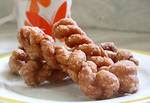
Pilipit #1
The classic Filipino crunchy, sweet bread
Ingredients:
- 2 cups flour 1 egg
- 1/4 teaspoon baking powder 1/2 cup milk
- 1/2 teaspoon salt oil for deep frying
Procedure:
- Mix and sift dry ingredients. Beat egg and add to milk.
- Add sifted dry ingredients and knead until smooth.
- Make very long thick roll and cut into 1/2 inch pieces.
- Roll each piece to 4 inches long and twist to bring ends together.
- Deep fry in hot oil; when brown, remove and dip in thick syrup, if desired.
Pilipit #2
Ingredients:
- 2 cups flour
- 1/2 tsp. salt
- 1/2 cup Carnation evap
- 1 egg
- cooking oil
- 1/2 cup water
- 1 cup sugar
Procedure:
Sift together dry ingredients in a bowl. Add-in milk and egg. Knead until dough is smooth.
Roll dough into 1" diameter baston. Cut into 1" pieces. Roll out each piece into 1/4" diameter strips; twist to form a figure 8. Press ends together to seal. Deep fry in hot oil until golden brown. Drain in paper towels.
For syrup, combine water and sugar in a heavy saucepan. Bring to boil without stirring until sugar has dissolved. Dip fried pilipit in syrup and serve when syrup has dried.
sources: nestle.com.ph, filipinovegetarianrecipe.com, photo from pinoyfoodtalk.net
By PutoPinoy on

Ingredients:
- 2 pcks frozen ube
- 1 box mochiko (sweet rice flour)
- banana leaves
- 4 cups white sugar
- 2 cans coconut milk
- 1 tsp vanilla
- latik (cook coconut milk slowly until all oil is extracted and latik is formed)
Procedure:
- Thaw frozen ube. Make latik. Wilt each banana leaf then brush with coconut oil.
- In large wok, mix thawed ube with coconut milk, mochiko, sugar, vanilla and a little coconut oil.
- Stir while cooking. (Put more coconut oil by tablespoonfuls if needed to prevent sticking.)
- Keep stirring until mixture is very thick. Put in panTined with wilted banana leaves.
- Flatten batter by hand using a piece of oiled banana leaf.
- If you don't feel like stirring for a long time, you may put slightly thickened mixture in baking pan and bake in 350°F oven 15 to 20 minutes.
- Cool and score prepared ube in diagonal shapes and put latik on top.
source: filipinovegetarianrecipe.com, photo from karen.mychronicles.net
By PutoPinoy on
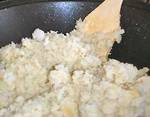
Nilupak Banana
Ingredients:
- 4 cups unripe saba, cooked and pounded
- 1/2 cup brown sugar
- 2 cups buko, medium hard
- 1/2 teaspoon vanilla
Procedure:
- Combine the above ingredients, and pound once more.
- Mix till well blended.
- Arrange on a platter and cut into desired shapes.
- Yield: 6 to 8 servings.
Nilupak Cassava
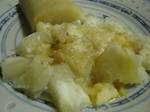
Ingredients:
- 3 kl cassava
- 2 cans of condensed milk
- 200 g grated coconut
- 4 tbsp butter, melted
Procedure:
- Peel and cut cassava into cubes, boil them until they become soft (not soggy).
- Mash it manually (or you can use blender).
- After mashing, transfer it in a deep pan
- Added milk, grated coconut and butter into mixture.
- Mixed manually (in low heat), until well blended.
sources: filipinovegetarianrecipe.com, eetsmakelijk.e-writings.com, photo from leiorchid.blogspot.com
By PutoPinoy on

Ingredients:
- 1 1/2 cups malagkit dough (galapong)
- 1/2 cup rice galapong
- 2 1/2 cups white sugar
- 3 cups cooked ubi (mashed)
- 4 cups thick coconut cream (from 2-3 coconuts)
- 2 cans (big) condensed milk
- food coloring; violet & egg-yellow
METHOD
Blend all ingredients except mashed ubi and food coloring.
DIVIDE INTO 3 PARTS:
To one part - add mashed ubi. To heighten the color of the ubi, add a dash of violet food coloring. Mix well.
To 2nd part - add egg-yellow coloring. Mix well.
To 3rd part - just plain white, nothing to add.
Grease a round baking pan. Line with banana leaves and grease the leaves. Then, pour in ubi mixture. Spread evenly. Steam for 30 minutes or more, until firm. Note: cover the baking pan with cheese cloth before steaming.
Pour 2nd layer on top of the cooked ubi. Cover again and steam for 30 minutes.
Lastly, pour in 3rd layer or the plain mixture. Again, steam for 30 minutes or until firm.
Sprinkle top with "latik".
Cool before slicing.
Serve with "budbod" or toasted sweetened coconut.
source: recipesdatabase.com, photo from flickr.com
By PutoPinoy on Tuesday, May 15, 2007

SUMAN SA LIHIYA
Ingredients:
- 1 kilo malagkit na bigas (glutinous rice)
- 2 tsp lihiya (lye water)
- prepared banana leaves
- thin cotton strings
Condiments:
- grated coconut
- brown sugar
- Latik
Procedure:
- Cut or separate banana leaves into two sizes (all approximates) - one 9 x 11-inch size and the other 5 x 5-inches.
- Soak the glutinous rice in water for about 1-2 hours.
- Drain and mix in the lye water. It should turn yellowish (this would depend on the strength of the lye water), if not add more lye water a little at a time until it turns yellowish. Mix well.
- Put the big sized leaf lengthwise on a working surface - topside down. Then put the smaller one on top of it - topside up and aligned either same as the bigger piece OR positioned with the one of the corners pointing to the narrow side of the bigger piece.
- Place about 3 tablespoonfuls of the glutinous rice mixture on the smaller piece of leaf.
- Grab the 2 long sides of the bigger piece and bring them together. Fold or roll that side to enclose the rice (about 3 half-inch folds). It is now long and narrow shaped.
- Fold about the lower 1/4 of the parcel towards the center.
- While firmly holding the folded end of the parcel, put it upright and tap it on the table to pack in the rice and if need be add more rice through the open end.
- Fold the top end towards the center. You should have a parcel about 5 x 2-inches in size.
- Make another one of roughly the same size.
- Pair these two with the folded sides together.
- Using thin cotton strings, tie the two ends together tightly.
- Place the assembled pieces in a big pot and add enough water to cover the suman.
- Bring to boil and bring down heat to low and simmer for about 1 1/2 hours.
- Serve warm or cold with grated coconut and sugar.
Cooking Latik:
- Add 2 Tbsp sugar and pinch of salt to a 400 ml can of coconut milk in a wok or pan (preferably non-stick). Stir until sugar and salt is dissolved.
- Bring to boil then lower heat and simmer until it renders oil and sediments (the latik) start to stick to the bottom.
- At this point watch it very closely and stir it frequently (it burns easily) and fry the sediments until golden brown.
- Remove from oil with slotted spoon. Serve with the suman.
SUMAN SA IBOS

Ingredients:
- 3 c glutinous rice
- 3 tsp salt
- 2 c coconut milk
Procedure:
- Soak glutinous rice in water until grains are swollen. Wash rice and drain. Add salt and coconut milk.
- Fill 2/3 of the palm tube containers. Close opening of the tube by pinning ends together with a piece of bamboo pick (about 1/3 the size of a toothpick). Tie each suman with strips of buri.
- Arrange in a deep kettle with water and cover container. Boil suman for two hours or until cooked.
SUMAN SA ANTALA
In a rice cooker, combine glutinous rice, coconut milk and salt. Cook until rice is done. Transfer cooked rice to a bowl and cool slightly.
Knead cooked rice. Put 2 tbsp cooked rice in wilted banana leaves, roll and fold both ends. Arrange in a steamer and cook for 30 minutes.
sources: abrenian.com, desarapen.blogspot.com, photo from pinoydelikasi.com
By PutoPinoy on
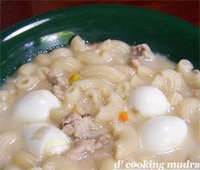
This dish is a soup, usually accompanied with any fried fish or meat. Though, can be served also as a main entrée. Sometimes, as a snack “merienda”.
Ingredients:
- ¼ cup cooking oil
- ½ head of garlic, finely crushed
- 2 large native or red onion, minced
READ FULL ENTRY
By PutoPinoy on
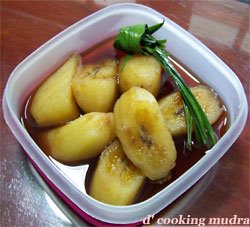
A banana is a plant, not a tree, though strictly an herb. The term banana is also applied to the elongated fruit, technically a false berry, which grows in edible species and varieties, in hanging clusters, several to many fruits to a tier, called a ‘hand’, many tiers to a bunch. The total of hanging clusters is called a 'stem' in the commercial world. Grown in the warm and humid tropics, bananas are picked and shipped green. Contrary to nature’s norm, they are one fruit that develops better flavor when ripened off the bush.
READ FULL ENTRY
By PutoPinoy on
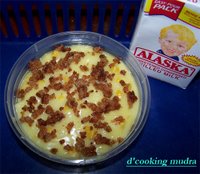
In Filipino cuisine, this recipe is classified as "kakanin or panghimagas" or commonly known as dessert. Usually, it is made of real corn, boiled and then scrape off from the cob. Too much time to prepare! (",) I decided to use canned corn instead.
Ingredients:
READ FULL ENTRY
By PutoPinoy on Sunday, May 13, 2007

Method #1
Ingredients:
- Sweet potatoes (camote),
- sliced julienne style or you can use potatoes or jicama (singkamas)
- egg whites
- corn starch
- bean sprouts
- cooked shrimp (no heads)
- salt and pepper to taste
Instructions:
In a bowl, mix shrimps. camote, and egg white. Dissolve corn starch in a little bit of water and then add to the bowl. Mix in the bean sprouts. Add salt and pepper to taste. Heat oil in a skillet and drop in a tablespoonful of the camote mixture, and fry like frying an omelet until golden brown.
Method #2
Batter Ingredients:
- 1 cup all-purpose flour
- 1 cup cornstarch
- 1 1/2 teaspoons baking powder
- 1 1/2 teaspoons salt
- 1/2 teaspoon pepper
- 1/4 cup annatto water
- 1 1/2 cups shrimp broth
- 1 egg, well beaten
- cooking oil
Topping Ingredients:
- 2 cups bean sprouts
- 1 cup chopped green onions
- 2 pieces tofu, cut into strips
- 1/2 lb small shrimp, cleaned
- 1 cup papayas
Procedure:
- Sift the first five batter ingredients together in a bowl.
- Blend in the annatto water, broth and egg.
- Beat until smooth.
- Heat oil in high heat for deep-frying. Set aside.
- Arrange a bed of bean sprouts and green papaya in a saucer.
- Top with some green onion, tofu strips and shrimps.
- Add about 1/3 cup of batter.
- Slide the mixture carefully into the hot oil.
- Fry until crisp and brown on both sides. Drain.
- Serve with a mixture of vinegar and crushed garlic for dipping seasoned with salt and pepper.
Method #3
Ingredients:
- 1 kilo togonton (small shrimp)
- 1 tablespoon salt
- 1/4 teaspoon pepper
- 1/2 cup cornstarch
- oil for frying
Procedure:
1. Clean and drain togonton.
2. Mix well with salt, pepper and cornstarch.
3. Form into patties then deep fry in hot oil until crisp and borwn.
4. Drain on paper towels.
5. Serve with vinegar and crushed garlic dip.
sources: recipezaar.com, ex-designz.net, kumain.com, photo from scentofgreenbananas.blogspot.com
By PutoPinoy on

Method# 1
Ingredients:
- 1 cup rice flour
- 2 cups brown sugar
- 3 cups water
- 1 teaspoon lye water
- freshly grated coconut
Procedure:
- In a mixing bowl, combine all the ingredients and mix well. Pour into muffin cups, until half full. Steam in a large pan with a cover; the water should be 2 inches deep. Cook for 30 minutes or until a toothpick inserted comes out clean. Add more water if needed until cooking is done.
- Remove from the muffin pans and serve with freshly grated coconut.
Method #2
Ingredients:
- 1-1/2 cup water
- 3/4 cup brown sugar
- 1 cup flour
- 1 tsp. lye water
- Grated fresh coconut
Procedure:
- Bring water and sugar to a boil. Let cool. Add to flour, stir until smooth. Add lye water and mix well.
- Fill greased muffin pans 3/4 full with mixture. Steam for 25 minutes or until toothpick inserted comes out clean. Cool before removing from pans. Serve with grated fresh coconut.
Method #3
Ingredients:
- 1 cup rice flour
- 2 cups brown sugar
- 3 cups water
- 1 tsp. potassium carbonate solution
- grated fresh coconut or dry coconut
Procedure:
Combine all the ingredients in a mixing bowl and mix well. Pour into muffin pans, until halfway full. Steam in a large pan with 2 inches of deep water with a cover. Cook for 30 minutes or until a toothpick inserted comes out clean. Add more water if needed until cooking is done.
Let stand for 30 min. to 1 hour. Remove from the muffin pans and serve with freshly grated coconut.
sources: recipezaar.com, carinderia.net, geocities.com/tagpuno, photo from flickr.com
By PutoPinoy on Thursday, May 10, 2007

METHOD #1
Ingredients:
- 1 cup Sweet rice flour
- 3/4 cup Water
- 1/2 cup Coconut flakes
- 1.1/2 cups White powdered sugar
- 1/4 cup Sesame seeds
Preparation:
- Make dough by mixing flour and water, roll up into balls and then flatten with the palm of your hand.
- Drop the balls into a saucepan full of boiling water, when the cakes are ready, they will rise to the surface. Remove the balls and let cool for a bit.
- Roll the balls into mixed powdered sugar, coconut flakes, and sesame seeds.
METHOD #2
Ingredients:
- 2 cups sweet rice flour
- 1 cup water
- 1 cup grated coconut
- 1 cup sugar
- 1/2 cup water
Procedure:
- Mix rice flour and ½ cup water well.
- Form into small balls and flatten with fingers to form into ovals.
- Boil 1 ½-quart in a pot.
- Drop in boiling water 2 at a time.
- Skim when they float and drop in cold water.
- Drain and roll in mixed grated coconut and sugar.
- Serve right away.
METHOD #3
Ingredients:
- Sweet rice flour - about a cup.
- 3/4 cup water
- coconut flakes
- Lots of white sugar
- Toasted linga (sesame seeds).
Directions:
Mix rice flour with water to make dough. Make little balls then flatten. Boil water in a saucepan. Drop flattened dough balls into boiling water. The cakes are cooked when they float. Remove from water, let cool a little bit, roll in combined sugar and toasted sesame seeds and coconut flakes.
METHOD #4
Ingredients:
- 1/2 kilo Galapong
- 1 Grated niyog (mature coconut)
- 3 tablespoons sugar
- 1 tablespoon toasted sesame seeds
- Pinch of Cinnamon (optional)
Procedure:
- Boil water.
- Shape galapong into small disks. Drop one by one to the boiling water. When it floats, it's already cooked (hence, the palitaw name).
- Remove cooked palitaw with a slotted spoon to drain the water and place on a bed of niyog. Cover both sides of the palitaw with niyog. Arrange on a platter or banana leaves.
- Mix sugar, toasted sesame seeds and cinnamon. Sprinkle over the palitaw.
Tip: If you can't purchase galapong in the supermarket or palengke, simply mix glutenous rice flour and water until you get the consistency of children's clay. Your kids would love making this.
METHOD #5
Ingredients:
- 1 cup glutinous rice flour
- 1/2 cup of water
- Granulated sugar
- Fresh grated coconut
- Toasted sesame seeds
Procedure:
- Mix until the flour and water the two come together to form a pliable ball of dough
- Take a heaping tablespoon full of the dough and roll it into a ball, then flatten it into a pad shape with the palm of your hand
- Poach the Palitaw in simmering water until they begin to float (about 30 seconds to 1 minute)
- Allow the pads to dry out and cool down a little so that they don't turn the sugar into a syrup when you roll it around in it
- Sprinkle with grated coconut and the sesame seeds
sources: filipinorecipe.com, recipezaar.com, asiarecipe.com, lefanglekwatsa, gsanjose
By PutoPinoy on
METHOD #1
Ingredients:
- 2 cups White rice
- 1-1/2 cups Water
- 1-1/2 cups Granulated sugar
- 3 tsps baking powder
- 1/2 tsp Salt
Preparation:
- Soak the rice for several hours, then grind and mash it until it resembles batter. Mix with sugar, baking powder, and salt.
- Pour into large muffin molds until the are 3/4 full, place them in a steamer for 1/2 hour.
- Turn the molds over, and garnish with coconut.
METHOD #2
Ingredients:
- 2 cups rice, soaked in
- 1 1/2 cups water, overnight
- 2 teaspoons baking powder
- 1-1 1/2 cup white sugar
- 4 egg whites
- 2 tablespoons sugar, for egg whites
- coconut
Procedure:
- You may use long grain.
- In a heavy duty blender, puree soaked rice in water until very fine.
- Pour in a bowl; add sugar and 2 teaspoons baking powder.
- Mix well and set aside.
- Beat egg whites until stiff.
- Add 2 tablespoons sugar to keep the air in the beaten egg whites.
- Fold the egg whites into the beaten rice batter and pour into muffin pans.
- Steam for about 20 minutes or until done. (Optional: Sprinkle a few anise seeds on top of the puto) Serve with grated coconut.
Note: You may use basket steamer in a wok half filled with water.
METHOD #3
Ingredients:
- 4 1/2 cups flour
- 3 cups milk
- 3 1/2 tbsps. baking powder
- 4 eggs
- 2 1/4 cups sugar
- 3 tsps. vanilla
Instructions:
- Mix dry ingredients together.
- Beat eggs, milk and vanilla.
- Add the dry ingredients gradually until it becomes nice and smooth.
- Pour into small non-stick muffin tins about 3/4 full.
- Steam for about 10 minutes until the toothpick inserted comes out clear.
- Add some grated cheese on top.
- Cover it again for about 1 minute until the cheese becomes melted. Serve it while it is nice and hot!
METHOD #4
Ingredients:
- 1 c. rice flour
- 1 stick butter
- 3 eggs
- 1 1/4 c. sugar
- 2 tsp. baking powder
- 1 c. Bisquick
- 1 (19 oz.) can coconut milk
- 1 tsp. vanilla
- 1/2 c. milk
- 1/2 tsp. salt
Procedure:
Mix all the ingredients to form a batter and pour in a deep baking pan (round) 2/3 full and cook in a steamer for 45 minutes.
METHOD #5
Ingridients:
- 2 c. Bisquick mix
- 2 eggs
- 1 c. white sugar
- 1 1/2 c. milk
- 1/2 tsp. baking powder
- 2 tbsp. melted butter
- Grated coconut
Procedure:
- Blend all ingredients; stir until smooth. Fill muffins pans 2/3 full with mixture.
- Steam for 20 minutes or until a toothpick inserted in the center of the puto comes out clean. Serve with grated coconut.
Cooking time: 30 minutes. Makes 18 medium-sized puto.
sources: filipinorecipe.com, recipezaar.com, recipesdatabase.com, cooks.com, photo from flickr.com
By PutoPinoy on
Ingredients:
- ½-cup cornstarch
- ½-cup white sugar
- 2-cups coconut milk
- coconut cream from 1 grated coconut
Procedure
Coconut cream:
- Extract coco cream and coconut milk from the grated coconut.
- Place grated coconut in a muslin bag wrung out of warm water.
- Twist the open end and squeeze out the coco cream without adding water.
- Set aside for cooking Latik.
Coconut milk:
- Add three potions of warm water and squeeze the bag of grated coconut with every addition of water.
- Cook coco cream in a frying pan over medium heat until oil and latik form.
- The latik should have a delicate, golden yellow color and must not be burnt.
- Transfer latik into a cool dish separate from oil or further heating will turn the latik to darker shade.
- Blend cornstarch and sugar thoroughly in a 1-quart bowl and add ¼-cup of coco milk.
- Boil the rest of the coco milk in a 2-quart saucepan.
- Add the cornstarch-sugar mixture, stirring with a wire whisk until it boils.
- Hold for 2 minutes to attain a cooked flavor of the starch.
- Pour while hot into two oiled cereal dishes. Cool completely.
- Cut into pie wedges. Garnish each piece with latik.
- Serve hot or chilled.
source: kusinaatbp.com, photo from engbeetin.com
By PutoPinoy on

Ingredients :
- 3 c. All purpose flour
- 3 tsps, yeast
- 1 1/2 c. luke warm water
- 4 tbsp. Sugar
- 1/2 c. shortening ( crisco)
- 1 tsp. salt
READ FULL ENTRY
By PutoPinoy on Monday, May 07, 2007

Turon is one of the merienda treats the Filipinos learned from the Spaniards. The term turon formerly meant nougat but bow the word turon acquired different meanings in different parts of the country. One common meaning is fritters in lumpia wrapper.
Ingredients:
- 6 pcs banana (saba), halved
- langka, sliced in small pieces
- 1 cup brown sugar
- lumpia wrappers
- 2 cups cooking oil
- flour dissolved in water
- sesame seeds (optional)
Utensils:
- fork
- tongs
- sifter
- wooden spoon or ladle
- plate
- frying pan
- stove
Procedure
- Heat 2 cups cooking oil in a frying pan.
- While waiting for the cooking oil to get hot, prepare materials for making banana fritters.
- Place three pieces of saba cut into halves on a plate.
- Sprinkle a little amount of brown sugar over the pieces of banana. Use fork to spread sugar evenly.
- Make sure both sides of the banana pieces are sprinkled with sugar. In this way, the brown sugar will mix well with the juice of the banana and will give the turon a more pleasing taste.
- Wrap th banana sprinkled with brown sugar in lumpia wrappers.
- Apply dissolved flour at both ends of the lumpia wrapper to seal its edges together.
- Follow the same procedure to wrap the rest of the remaining bananas, which have been sprinkled with brown sugar.
- To enahance and add taste to the turon you are preparing, put two slices of langka on top of each piece of banana before wrapping them.
- Deep fry in hot cooking oil.
- Turn the fritters from one side to another while frying to prevent any part of the wrapper from getting burned.
- Fry the banana for 3 minutes or until lumpia wrapper turns light brown. Remove fritters from frying pan with a pair of tongs.
- Put cooked fritters on a wire strainer or wire rack to drain them of excess oil before serving.
- Serve banana fritters hot.
- This recipe is good for 6-12 pieces of banana fritters.
source: tlrc.gov.ph, photo from toni.marikit.net
By PutoPinoy on Sunday, May 06, 2007

Prepare the following:
- 4 pcs banana (saba), peeled and sliced slantwise into smal pieces
- 3 pcs medium-sized sweet potato (kamote), peeled and sliced into cubes
- 2 pcs medium-sized ube, peeled and sliced into cubes
- langka
Ingredients:
- 1 cup thick coconut milk (kakang gata)
- 2 cups thin coconut milk (second extract)
- 1 cup large-sized sago
- 1 cup alpahor or small-sized sago
- 1 cup rice flour prepared into small, round shaped dough (bilo-bilo)
- 1 cup brown sugar
- pandan leaves
Utensils:
- stove
- wooden spoon or ladle
- bowl
- saucepan
Procedure
- Add brown sugar to the second coconut milk extract in a saucepan. Stir to dissolve sugar
- Add bilo-bilo, ube and kamote to the coconut milk and sugar mixture.
- Bring coconut milk and sugar mixture and other ingredients to boil. Let boil for 8 minutes. Stir ingredients once the mixture starts to boil.
- After 8 minutes, add banana, sago and langka one by one.
- Continue stirring. Cover cooking pan and let boil for another 5 minutes.
- Add thick coconut milk extract.
- Cover the pan again and allow to boil.
- See if the ingredients are already well-cooked. Remove from the stove when done.
- Serves 6-8'
source: tlrc.gov.ph, photo from forums.egullet.org
By PutoPinoy on Saturday, May 05, 2007

Alpahor cooked in coconut milk is a favorite merienda in the country. This snack is easy to cook an here is how to prepare it.
Ingredients:
- 1 cup thick coconut milk (kakang gata)
- 2 cups thin coconut milk (second extract)
- 1 cup large-sized sago
- 1 cup alpahor or small-sized sago
- 1 cup rice flour prepared into small, round shaped dough (bilo-bilo)
- 1 cup brown sugar
- pandan leaves
Utensils:
- stove
- wooden spoon or ladle
- bowl
- saucepan
Procedure
- Mix brown sugar and second extract of coconut milk in a saucepan. Put pandan leaves and the sago/alpahor ingredients and bring to boil over fire in a stove. Cook for 10 minutes.
- Then stir the sago/alpahor being cooked in coconut milk and sugar mixture. Add the small round-shaped rice flour dough (bilo-bilo).
- Continue stirring until bili-bilo is cooked. You will know it is already cooked when the pieces of bilo-bilo rises to the top of the boiling coconut milk and sugar mixture.
- Once the bilo-bilo is cooked, reduce heat. Test the desired sweetness. Add sugar if necessary. Then, add thick coconut milk.
- Stir the ingredients until the milk thickens. When the mixture has thickened, remove pan from the stove. Serve in a bowl.
- Good for 6-8 servings.
source: tlrc.gov.ph, photo from culinaryhags.blogspot.com
By PutoPinoy on Friday, May 04, 2007
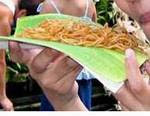
Pansit miki cooked without soup and wrapped in banana leaves is called pansit habhab. This dish can be eaten without the help of spoon and fork and will not spill over from any container. Ms. Amor Baldovino of Lucban, Quezon, prepared the following recipe.
Ingredients:
- 1 medium sized onion, sliced lenghtwise
- 100 gms pork tenderloin
- 200 gms pork liver
- shrimps
- 1 pc sayote (chayote), peeled and cut into cubes
- 5 cloves of garlic, peeled and minced
- 2 small bunches of pechay, cut to size
- 1 kg pansit miki
- 1 cup water
- fish sauce (patis) for seasoning
- cooking oil
- banana leaves for wrapper
Utensils:
- 2 wooden spoons or ladles
- frying pan
- stove
- enough pieces of toothpick
Procedure
- Preheat a small amount of cooking oil in a frying pan. Saute garlic and onion together until cooked or until garlic turns golden brown.
- Add pork. Stir ingredients until pork is slightly cooked.
- Add a shrimps and pork liver. Stir again.
- Season the sauteed ingredients with right amount of fish sauce to taste.
- When the pork liver is already cooked, add the rest of the ingredients. Then add the cubed chayote.
- Add one cup of water until chayote is almost immersed in the water.
- Cover frying pan and cook sauteed ingredients for 5 minutes or until chayote is well cooked.
- Add pechay when chayote is already cooked.
- Cover the frying pan again and cook ingredients for three more minutes or until pechay is slightly cooked.
- Add pansit miki to the ingredients. Use two wooden ladles to thoroughly mix the ingredients together. Now, the ingredients area ready for wrapping.
- Prepare banana leaves into funnel-shaped wrappers. Put enough amount of pansit habhab in each piece of the banana leaf wrapper.
- Fold the allowance of the banana leaf over the mouth of the funnel shaped wrapper to close it. Fasten wrapper with a piece of toothpick so that it will not spill over or untangle.
- Wrap the rest of the cooked pansit habhab in the same manner above.
- Recipe is good for 15-20 servings.
source: tlrc.gov.ph, photo from lafang-list.bluechronicles.net
By PutoPinoy on Thursday, May 03, 2007

Street stall selling piping hot goto, more popularly known as "gotohan", are getting to be a trend in the local fast food business. The major hit meal offered at these stalls is goto arrozcaldo, a merienda fare for the ordinary Filipino, which has remained very popular over these years. This snack is easy to make, and here's how.
Ingredients:
- 2 cups glutinous rice (malagkit)
- 1/2 kg beef entrails, boiled and tenderized
- 1 liter rice washing
- 1 medium sized onion, sliced lengthwise
- 1 clove garlic crushed
- 1 tbsp ginger, sliced lengthwise
- salted fish sauce (patis) for seasoning
- cooking oil
- 1 tbsp saffron food color (optional)
Utensils:
- wooden spoon or ladle
- large cauldron
Procedure:
- Heat enough cooking oil in the cauldron.
- Once the oil is hot enough, add crushed garlic, sliced onions and ginger. Stir slightly until the sauted ingredients turn golden brown.
- Add tenderized beef entrails and stir ingredients thoroughly.
- Add the right amount of salted fish sauce. Continue stirring.
- Add glutinous rice. Continue stirring until the ingredients are thoroughly mixed.
- Once the ingredients are thoroughly mixed, pour one liter of rice washing carefully into the cauldron. Stir a little more.
- Reduce thea and cover the cauldron. Cook for 10 minutes.
- After 10 minutes, stir. See if the rice has already risen and softened into porridge consistency. This is the basis for determining if the rice is already cooked.
- If rice is not fully cooked yet, cover the cauldron again and cook for another five minutes.
- Serve hot. Garnish the goto arrozcaldo with celery or fried garlic as toppings. Good for 8 servings.
source: tlrc.gov.ph, photo from marketmanila.com
By PutoPinoy on Wednesday, May 02, 2007

Merienda is a Spanish word that refers to a light meal usually taken in between lunch and dinner. The Spaniards introduced this kind of repast to the Filipinos who adopted the habit later on. From then on, the Filipino merienda became an equivalent of the American coffee break or the English afternoon tea.
Although merienda appears to be a borrowed concept, eating and the fondness for food and preparing the dishes have always been considered a part of the Filipino culture.
We have our own Filipino delicacies such as puto, bibingka, kutsinta, suman and many others that we usually eat in between our regular daily meals. These Pinoy favorites are usually eaten together with tea or any other beverage.
In the rural areas, the usual practice is to boil freshly harvested root crops like cassava, sweet potato (kamote) or wild yam and then eat them while sipping salabat, a tangy beverage made from boiled ginger roots. It is probably the need for additional energy for the tedious work in their farms that make the rural folks prepare energy-giving merienda and eat them in-between meals.
Today, many foreign food and influences have penetrated the everyday Pinoy gastronomic processes. The Chinese have introduced a few of our favorite merienda treats: pansit, siopao and siomai. Filipinos today are also fond of eating meals prepated from foreign recipes such as Italian pizza and spaghetti, Mexican tacos and tamales and American burgers and fries. Nonetheless, native delicacies such as bibingka, puto, kutsinta and puto bumbong, still remain, despite the abundance of foreign-influenced food and junkfoods.
In this particular guide, we will learn how to prepare a select menu of Filipino merienda favorites, such as goto arrozcaldo, pansit habhab, alpahor in coconut milk, turon, lumpia, pansit molo, bibingka, puto bumbong and smoked fish empanada.
source: tlrc.gov.ph, photo from pinoyfood.nimrodel.net


